Penulis: Alyka

Gold Processing Plant

Improving Gold Processing Plant Efficiency: Key Equipment Considerations

Australian gold processing operations are under sustained pressure to maintain throughput while dealing with variable ore conditions, equipment wear, unplanned stoppages and ongoing operating costs.

These pressures are rarely confined to one stage of the plant. A restriction at the stockpile or crushing circuit can affect downstream processing. Inconsistent reagent preparation can make process conditions harder to control. Poorly planned grinding media handling can create operational and safety issues around the mill.

For this reason, decisions around gold processing equipment need to consider how individual systems contribute to the performance of the entire plant’s processing circuit.

Reliable feeding, controlled lime and reagent preparation, dependable grinding support and accessible maintenance all play a part in keeping a gold processing plant operating consistently. Looking at these areas together can help engineering and operations teams identify where equipment choices may be contributing to bottlenecks, downtime or unnecessary manual intervention.
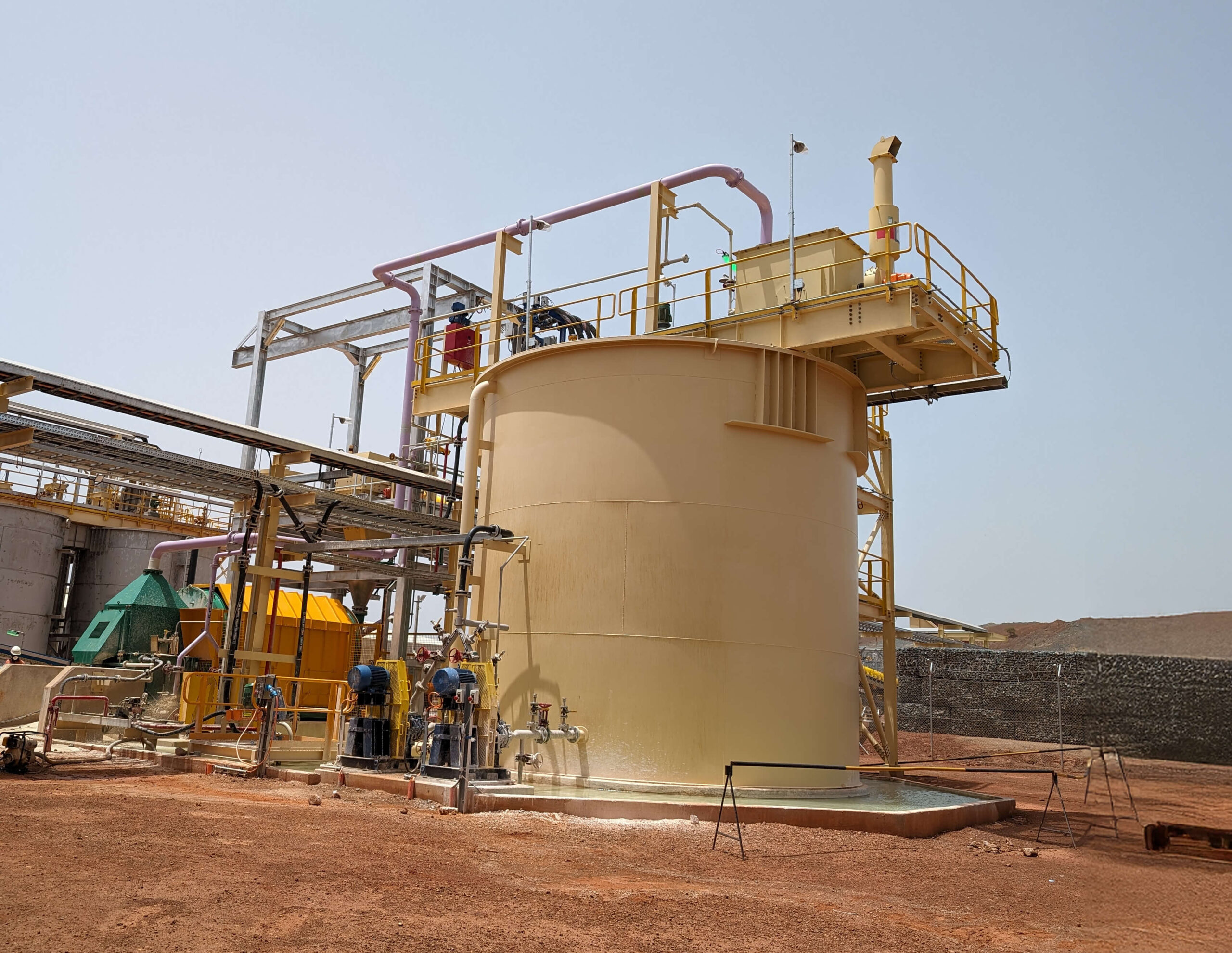
Gold Processing Plant

Key Challenges Facing Australian Gold Processing Operations

Gold processing plants across Australia operate under demanding conditions that pose challenges to material handling and process equipment.

1. Maintaining Consistent Plant Throughput

Even small interruptions in feed rate ripple through downstream stages, affecting crushing, grinding and leaching performance. Plants need equipment that can sustain a steady, controllable flow of material, even when ore characteristics vary from shift to shift. A plant designed around an average feed rate can still fall short of target if the equipment cannot cope with the peaks and troughs that come with real ore supply.

2. Managing Abrasive and Variable Ore

Gold ore bodies rarely behave uniformly. Hardness, moisture content and particle size can change from one section of a pit to the next, placing uneven wear on feeders, conveyors and mills. Sites blending ore from multiple sources or transitioning between pits often find that equipment selected for one ore type struggles once the blend changes. Equipment selected without sufficient consideration of these characteristics may require more frequent maintenance, driving overall costs.

3. Reducing Unplanned Downtime

Every hour a plant is offline for an unscheduled repair is an hour of lost production. Unplanned downtime is often traced back to equipment that was undersized for the application, poorly maintained or simply not suited to the material it was handling in the first place. In many cases, the root cause is not a failure of the equipment itself, but a mismatch between what the equipment was designed to do and what it is actually being asked to handle day-to-day.

4. Controlling Operating and Maintenance Costs

With energy and labour costs continuing to rise, sites are under pressure to extract more value from existing infrastructure rather than expanding capital spend. This is pushing many operations to reassess whether their current feeding, reagent and grinding-support equipment is genuinely fit for purpose, or simply what was available when the plant was first built. 

Maintenance budgets in particular are coming under scrutiny, with sites looking closely at which equipment consumes a disproportionate share of parts and labour relative to its role in the circuit.

These pressures are encouraging plant teams to assess equipment in terms of how it performs within the wider processing circuit, rather than judging each item in isolation.

Why Reliable Material Feeding Matters in Gold Processing

Reliable material feeding is fundamental to maintaining consistent performance across a gold processing plant.

Mining feeders sit at the front end of the processing circuit, controlling how much ore enters the crushing and processing stages. When feed delivery is inconsistent, the effects can extend well beyond the feeder itself, creating fluctuations in throughput, increasing the risk of bottlenecks and making downstream equipment harder to operate efficiently.

1. Maintaining Consistent Feed Rates

A controlled and consistent feed rate helps keep crushing and downstream processing equipment operating within their intended operating range. If too little material is fed, available plant capacity may not be fully utilised. If too much material is introduced, it can overload crushers, conveyors or other equipment and create unnecessary wear or stoppages.

The right feeding equipment provides predictable material flow and allows operators to maintain a stable feed rate as production requirements change. This is particularly important where the plant is operating close to its design capacity, as even short periods of inconsistent feeding can affect overall throughput.

2. Managing Varying Ore Characteristics

Gold ore can vary significantly in hardness, moisture content, lump size and flowability. These changes can affect how material moves through hoppers, mining feeders and conveyors, particularly when ore is sourced from different areas of a mine or blended from multiple stockpiles.

Feeders need to be selected and configured around these conditions rather than based solely on a nominal feed rate. This helps reduce interruptions caused by bridging, blockages, uneven flow or excessive wear.

3. Reducing Bottlenecks Through the Processing Circuit

A restriction at the feed point can quickly become a plant-wide constraint. If material is not delivered consistently to the crusher, the crushing circuit may operate below capacity. 

Conversely, uncontrolled or excessive feed can place additional pressure on crushing and conveying equipment, increasing the likelihood of blockages, overloads and unplanned stoppages. 

Reliable feeding helps maintain a balanced flow of material through the circuit, allowing downstream equipment to operate more consistently.

4. Improving Overall Plant Availability

Feeding equipment also has a direct role in plant availability. Frequent feeder failures, excessive wear or difficult maintenance can result in repeated stoppages that affect production well beyond the time required to repair the equipment itself.

Selecting feeding equipment that is suited to the ore, duty and operating environment can reduce these interruptions and make maintenance more predictable.

For gold processing operations, dependable feeding is therefore more than a material handling consideration. It provides the controlled and consistent flow that allows crushing, grinding and downstream processing equipment to perform as intended. 

By reducing feed-related fluctuations and bottlenecks, well-designed feeding systems can support more consistent throughput and contribute to higher overall plant availability.

Transmin’s range of industrial and mining feeders, including the Pemberi Pakan Profil Rendah, Pengumpan Apron dan Conventional Belt Feeders, is designed to handle abrasive, variable ore while maintaining consistent feed rates, helping reduce the bottlenecks that limit throughput further down the circuit.

Supporting Efficient Gold Processing with Reagent and Lime Systems

Reagent preparation and dosing are also important to maintaining stable conditions through the gold recovery process. Variations in lime or reagent concentration can affect process conditions, making it harder for operators to maintain consistent performance. 

Reliable preparation and dosing systems help deliver the required materials at controlled rates while reducing the need for manual intervention.

Accurate Lime Preparation and Dosing

Lime is commonly used to control pH during gold processing, making accurate preparation and dosing important for maintaining the required process conditions. Inconsistent lime addition can lead to fluctuations in pH and make downstream process control more difficult.

A dedicated lime preparation plant can provide a controlled approach to lime slaking, preparation and delivery. By producing a consistent lime slurry and controlling its addition to the process, the plant helps operators maintain more stable conditions while reducing reliance on manual preparation.

Reliable Reagent Preparation

Reagents need to be prepared at the correct concentration and delivered consistently to support predictable process performance. Manual preparation or inconsistent mixing can introduce variation into the process and increase the amount of operator intervention required.

Automated preparation and dosing systems can help maintain consistent reagent concentrations and flow rates. This allows operators to focus on monitoring and controlling the wider process rather than repeatedly adjusting reagent systems manually.

Improving Process Consistency

Small variations in reagent addition can have a wider effect on process stability. Consistent preparation and dosing help maintain more predictable operating conditions, which can make it easier to identify genuine process changes and respond to them before they affect overall plant performance.

This is particularly important in plants where multiple process parameters need to remain within defined operating ranges. Reliable reagent systems provide greater control over one of these variables and can support more consistent performance across the processing circuit.

Automation and Operator Safety

Manually handling powdered lime and process chemicals can expose operators to dust, spills and other workplace hazards, particularly where materials need to be manually transferred or mixed.

Automated preparation, transfer and dosing systems can reduce these tasks and limit unnecessary operator exposure. They can also provide more repeatable dosing and simplify routine monitoring, helping operations balance process control with safer working practices.

For gold processing plants, reliable lime and reagent systems are about more than chemical delivery. Accurate preparation, controlled dosing and greater automation can support process stability while reducing manual intervention and improving the overall operating environment.

Equipment Considerations for Australian Gold Operations

Selecting gold processing equipment requires more than matching a nameplate capacity to the planned production rate. Several operating and lifecycle factors should be considered before equipment is specified.

  1. Ore Characteristics and Abrasiveness

Equipment specifications need to reflect the actual material being handled, not a generic industry average. Abrasive, sharp or lumpy ore places different demands on wear liners, belt materials, and drive systems than finer, more uniform material, and selecting equipment without accounting for this tends to result in accelerated wear and higher parts consumption.

  1. Required Throughput

Engineers should also consider how consistently the equipment can deliver the required rate under changing operating conditions. This is especially important for feeding systems, where upstream variability can quickly affect the remainder of the process. 

Design should therefore consider normal operating rates, expected variation and how the equipment will behave during start-up, shutdown and changing feed conditions.

  1. Plant Footprint and Layout

Space is often at a premium, particularly at brownfield sites where new equipment has to fit around existing infrastructure. Equipment with a smaller footprint or the ability to incorporate direction changes, such as an incline within a single machine, can reduce the civil works required for a project and shorten installation timeframes.

  1. Maintenance Accessibility

Processing equipment will require inspection, wear management and component replacement throughout its operating life. A piece of equipment that fits within the available space but becomes difficult to maintain can create problems later.

Access to rollers, belts, chains, liners, drives, pumps and other serviceable components therefore needs to be considered during design. Restricted access may extend shutdown work or make routine inspection more difficult.

  1. Grinding Media Handling

Grinding support is another equipment area that can affect plant operation. Grinding media consists of heavy steel balls that must be stored, transferred and introduced into the mill. 

Where this activity depends heavily on manual handling or less controlled transfer methods, the process can become labour-intensive and expose operators to additional handling risks.

Transmin offers controlled ball charging systems that can combine storage hoppers, feeders, conveyors and distribution arrangements to store, feed and meter grinding media into one or more mill circuits, with alarm and metering functions incorporated where required.

  1. Equipment Lifecycle and Support

Equipment selection also needs to consider long-term reliability and how easily equipment can be maintained, supported and adapted as operating conditions change.

For Australian gold operations, particularly those located far from major population centres, the ability to plan maintenance and obtain appropriate parts and technical assistance can be an important consideration.

This is where supplier capability becomes part of the equipment decision. For a plant using several of these systems, working with a supplier familiar with multiple stages of the circuit can also help engineering teams consider how those systems interact.

Transmin offers a range of feeding, lime preparation, reagent systems, ball charging and bulk material handling equipment, along with reliable equipment service and maintenance solutions that help project teams assess equipment requirements across multiple stages of the processing circuit.

Building Reliability into the Entire Processing Circuit

Plant reliability is rarely the result of one equipment purchase.

A feeder that provides stable material delivery supports the equipment downstream. A dependable lime or reagent preparation system provides a more consistent supply to the process. Controlled ball charging supports routine grinding media handling around the mill.

If one of these supporting systems repeatedly becomes unavailable, its effect can extend beyond the equipment itself. This is why reliability needs to be built across the circuit. It can be built through:

  • Considering equipment interactions across the circuit: Engineering teams should assess not only whether equipment can perform its immediate duty, but also how its operation affects adjacent equipment, maintenance schedules and overall plant availability.

  • Planning maintenance beyond commissioning: Routine inspections, planned maintenance and access to suitable replacement components help maintain equipment condition and reduce the risk of avoidable interruptions over time.

  • Reassessing equipment as operating conditions change: Changes in ore characteristics, production targets or plant layout can alter equipment requirements. Systems originally selected for one duty may need to be reviewed as the operation develops.

  • Maintaining ongoing service and support: Access to service and support throughout the equipment lifecycle can help address maintenance requirements before they develop into larger reliability issues.

  • Reviewing recurring restrictions across the circuit: Throughput issues may originate in material feeding, frequent operator intervention may point to reagent preparation or handling issues, and maintenance delays may indicate access or equipment configuration problems. 

Looking at these issues together provides a clearer basis for deciding where equipment changes are likely to make the greatest practical difference.

Transmisi supports this process by providing equipment expertise and ongoing service across feeding, lime preparation, ball charging and other supporting plant systems.

Improving Overall Efficiency of Gold Processing Plants

If your operation is reassessing the equipment supporting your gold processing circuit, Transmin’s team can help identify where feeding, lime preparation or grinding-support solutions could improve throughput and reliability at your site. 

Contact Transmin to discuss the operating requirements, plant constraints and equipment options for your application.

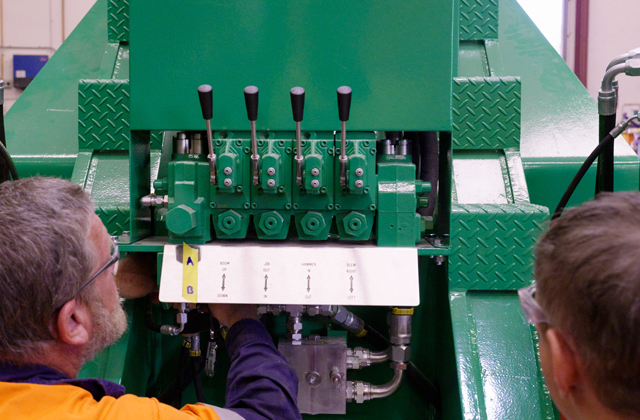
How Rockbreaker Automation Reduces Maintenance Costs

In mining, maintenance is one of the largest ongoing operating costs, and rockbreakers are among the most demanding assets to maintain.

Positioned above primary and secondary crushing stations, rockbreakers operate in harsh site conditions, where they are subjected to constant impact. When they are operated inconsistently or maintained reactively, the result is unplanned breakdowns and costly crusher downtime.

As maintenance budgets tighten and production targets rise, mining operations are looking beyond traditional maintenance strategies. Rockbreaker automation has emerged as one of the most effective ways to reduce equipment wear at the source, catch faults before they become failures and keep crushing circuits running.

This article explores how rockbreaker automation reduces maintenance costs, the broader operational benefits it delivers, and how modern automated rockbreaker systems achieve these outcomes in practice.

Why Rockbreaker Automation Matters

Rockbreakers operate in some of the most demanding areas of a mine or mineral processing plant. They are exposed to dust, vibration, impact, hydraulic loads and changing material conditions.

In these environments, small operational issues can quickly become expensive maintenance events. If oversize material cannot be broken, the crusher feed is interrupted, and crusher downtime quickly becomes an expensive interruption to production.

The direct costs of repairing a damaged boom, hammer or hydraulic system are often only a fraction of the total. The greater cost is usually the lost production while the crushing station sits idle and maintenance crews are mobilised, sometimes to remote locations hours from the nearest workshop.

The limitations of manual operation

Manual rockbreaker operation can create several maintenance challenges:

  • Operators may use different movement patterns and levels of force.
  • Camera angles may not provide complete visibility around the boom.
  • Restricted areas can make machine positioning more difficult.
  • Repeated manual parking and deployment may place unnecessary stress on components.
  • Fault information may be limited or scattered across separate systems.
  • Maintenance teams may need to attend the machine before identifying the source of a problem.

These operational challenges explain why mining automation has become a growing priority across the industry.

Reliability engineers and maintenance managers are under sustained pressure to extend asset life, reduce reactive maintenance and improve availability, all while keeping people out of hazardous areas.

Automated rockbreaker systems help address all three priorities, which is why more operations are treating automation as a core reliability investment rather than an optional upgrade.

How Rockbreaker Automation Reduces Maintenance Costs

1. Reduced equipment wear

A significant portion of equipment wear is influenced by how the machine is operated.

Automated rockbreaker systems translate operator inputs into smooth, controlled movements, removing the jerky accelerations and hard stops that punish hydraulic cylinders, slew drives and structural joints.

Automated routines such as one-touch park and deploy ensure the boom follows the same efficient, repeatable path every time, even in tight and restricted spaces. The machine is never rushed, never over-extended, and always follows a smooth, repeatable movement path, significantly reducing wear across the entire boom system.

2. Fewer breakdowns and unplanned downtime

Collision damage is one of the most preventable causes of rockbreaker breakdowns, yet it remains common wherever operators rely on line of sight or cameras alone. Automation removes this risk through active collision avoidance.

By continuously tracking the position of the boom within a detailed 3D model of the site, the system automatically slows or stops movements before the machine can contact bin walls, handrails, camera posts or crusher components.

As a result, the damage that would once have triggered an emergency repair and days of lost production simply does not occur, and the maintenance budget is no longer absorbing the cost of avoidable incidents.

3. Improved preventative maintenance

Preventative maintenance is most effective when teams have reliable information about how equipment is performing.

Automated systems continuously log operational data, giving maintenance teams an accurate picture of how hard the machine is working, how often it is used and how key components are trending over time.

Depending on the configuration, the system may record:

  • Hydraulic power unit data
  • Machine position information
  • Alarm history
  • Operating events
  • System status
  • Fault conditions
  • Performance trends

Based on these records, teams can schedule interventions based on actual usage and condition, instead of servicing at fixed intervals.

This shift from reactive to proactive maintenance reduces both the frequency and the severity of repairs, and allows parts, labour and shutdown windows to be planned well in advance.

4. Better diagnostics and fault identification

When something does go wrong, automation dramatically shortens the path to finding an accurate fix.

Modern systems consolidate control into a single platform with integrated data logging, so alarms, hydraulic performance data and system health metrics are all captured and available for review. Faults can be identified and often diagnosed remotely, before a technician is dispatched, meaning the right people arrive with the right parts.

For remote sites, where a single unnecessary call-out can cost thousands of dollars, faster fault identification reduces both labour time and crusher downtime.

Beyond Maintenance: Additional Benefits of Rockbreaker Automation

While the maintenance case is compelling on its own, the benefits of rockbreaker automation extend well beyond the workshop.

  • One of the most important benefits of rockbreaker automation is improved operator safety:
    Remote rockbreaker operation allows the operator to control the machine from a protected control room or remote operations centre rather than remaining close to the crusher. They are no longer exposed to flyrock, dust, noise and vibration. Where site access is still required, monitored safety gates and integrated shutdown systems regulate entry and protect anyone working near the machine.
  • Remote operation improves workforce efficiency:
    A single operator can manage multiple rockbreakers at different crushing stations from one desk, taking control of whichever machine needs attention. For high-output mines with several crushing circuits, this materially improves staff utilisation without compromising response times.
  • Crusher uptime improves:
    Blockages are cleared faster when the operator can respond immediately from the control room rather than travelling to the site, and automated park and deploy routines minimise the delays associated with positioning the machine. Integration with plant control systems adds a further layer of efficiency, with signals from vehicles and surrounding equipment automatically retracting the rockbreaker to keep crushing operations moving.
  • Automation delivers consistency:
    Every movement follows the same controlled logic regardless of who is operating, which shift they are on or how long they have been working. Machine performance becomes uniform and predictable, and that predictability flows through to more reliable production planning and more accurate maintenance forecasting.

How RockLogic Supports Modern Mining Operations

Transmin RockLogic provides a practical example of how rockbreaker automation can address maintenance and operational challenges.

From an operational perspective

Developed in close collaboration with mining customers and refined over many years in the field, Transmin RockLogic combines remote operation, collision avoidance, automated movements and integrated diagnostics in a single intelligent control platform.

Its high-precision sensors track the boom’s position and display it within a 3D model of the surrounding area. This allows the system to manage movement and help prevent contact with critical plant infrastructure.

Operators control the machine safely from a control room using an ergonomic controller with real-time feedback, and automated park and deploy routines ensure smooth, repeatable movements with the press of a button.

From a maintenance perspective

RockLogic consolidates all rockbreaker functions into a single controller, which simplifies fault finding and makes diagnostics far more efficient. Operational data and alarms can be logged for later review, supporting system health assessment and more informed maintenance planning.

It also features a SIL 2-capable safety system, designed to Australian and international standards, that can be tuned to site-specific requirements. Additionally, its flexible integration allows RockLogic to connect with existing plant control and safety systems rather than replacing them.

How Transmin RockLogic reduces maintenance risks on site

RockLogic’s functions can reduce specific maintenance risks on site, such as:

  • Preventing contact with nearby crusher structures
  • Reducing stress caused by repeated manual movements
  • Improving access to fault and alarm information
  • Supporting remote technical assistance
  • Reducing the time required to respond to blockages
  • Moving operators away from hazardous areas
  • Integrating the rockbreaker with existing plant controls

Whether paired with Transmin’s range of heavy-duty rockbreakers or retrofitted to an existing installation, RockLogic turns the principles of rockbreaker automation into measurable outcomes: less wear, fewer breakdowns, faster diagnostics and safer operations.

Invest in Reliability, Not Repairs

Rockbreaker automation has moved from an emerging technology to a proven strategy for reducing maintenance costs in mining operations.

By smoothing machine movements, preventing collisions, enabling proactive maintenance and simplifying diagnostics, automation attacks the root causes of equipment wear and unplanned downtime rather than just treating the symptoms.

Add the safety benefits of remote operation and the productivity gains of improved crusher uptime, and the investment case becomes difficult to ignore.

With over 35 years of experience in bulk materials handling and mining automation, Transmisi understands the operational challenges behind every blocked crusher and every unplanned repair.

To learn more about RockLogic and how rockbreaker automation can improve reliability at your site, contact the Transmin team today.

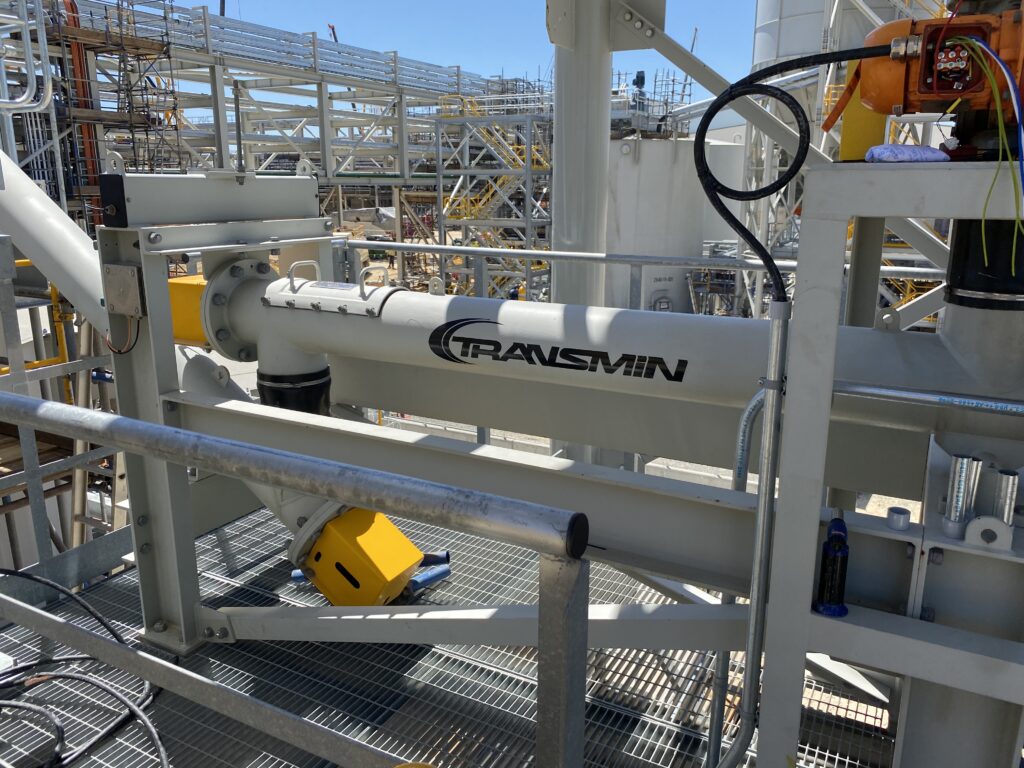
Heavy-duty Transmin screw feeder in industrial processing plant.

Aplikasi Pengumpan Sekrup Industri Tugas Berat

Memindahkan material curah dari satu titik ke titik lain adalah tantangan yang sangat bervariasi tergantung pada apa yang Anda tangani. Beberapa material mengalir bebas dan dapat diprediksi; yang lain bersifat abrasif, korosif, lengket, atau tunduk pada suhu ekstrem. Pengumpan sekrup mengatasi tantangan ini dengan desain tertutup yang sederhana yang memberikan aliran terkontrol dan terukur di berbagai aplikasi industri.

Artikel ini mengulas keuntungan utama pengumpan sekrup, aplikasi yang dilayaninya, dan berbagai material curah yang ditanganinya secara efektif.

Heavy-duty Transmin screw feeder in industrial processing plant.

Keunggulan Pengumpan Baut

Pengumpan ulir adalah salah satu peralatan paling serbaguna dalam penanganan material curah. Desain intinya — ulir heliks yang berputar di dalam palung atau tabung tertutup — memindahkan material pada laju yang terkontrol, menjadikannya cocok untuk aplikasi di mana presisi, penahanan, dan keandalan penting.

1. Ringkas dan Hemat Ruang

Pengumpan sekrup membutuhkan ruang yang relatif kecil dibandingkan dengan sistem konveyor lainnya. Hal ini membuat mereka cocok untuk pabrik pengolahan, kilang, dan fasilitas industri di mana ruang terbatas. Pengumpan sekrup vertikal melangkah lebih jauh, memindahkan material ke atas dalam ruang yang sempit dengan akses mudah untuk perawatan.

2. Pengukuran Material yang Tepat

Salah satu fitur paling berharga dari pengumpan sekrup adalah kemampuannya untuk mengukur material pada laju yang terkontrol dan konsisten. Dengan menyesuaikan kecepatan penggerak, operator dapat mengatur laju umpan yang tepat untuk mengurangi pembebanan lonjakan, meningkatkan efisiensi proses, dan melindungi peralatan hilir dari kelebihan beban.

3. Desain Tertutup untuk Pengendalian Debu dan Tumpahan

Berbeda dengan sistem transfer terbuka, pengumpan sekrup beroperasi di dalam palung atau tabung tertutup. Ini menahan debu, meminimalkan tumpahan, dan meningkatkan kebersihan di area pemrosesan. Untuk industri yang menangani bubuk halus atau bahan yang sensitif terhadap lingkungan, pengangkutan tertutup dapat meningkatkan kebersihan operasional dan keselamatan kerja.

4. Cocok untuk Material Sulit

Pemberi makan sekrup mampu menangani berbagai macam bahan curah, termasuk bubuk, butiran, pasir, semen, kapur, konsentrat mineral, agregat, dan produk limbah industri. Desain sekrup yang berbeda dapat disesuaikan untuk memenuhi berbagai karakteristik material, termasuk produk yang abrasif, lengket, atau memiliki kadar air tinggi.

Aplikasi Pengumpan Ulir

Transmin pengumpan sekrup tugas berat sistem digunakan di berbagai industri di mana transfer material yang terkendali dan throughput yang andal tidak dapat ditawar.

1. Pertambangan dan Pengolahan Mineral

Operasi penambangan umum menggunakan pengumpan ulir untuk memindahkan bijih halus, konsentrat, reagen, dan mineral olahan antar tahapan peralatan. Di lingkungan ini, pengumpan ulir membantu menjaga aliran terkendali ke konveyor, sistem pencampuran, peralatan pemrosesan, silo penyimpanan, dan sistem pengemasan. Operasi tertutupnya juga membantu mengurangi pembentukan debu saat menangani produk mineral kering atau halus.

2. Operasi Semen dan Quarry

Pabrik semen dan operasi penambangan mengandalkan pengumpan ulir untuk menangani bahan bubuk dan granular seperti semen, abu terbang, kapur, dan agregat. Kontrol umpan yang konsisten yang disediakan oleh pengumpan ulir mendukung proses penakaran dan pencampuran yang stabil sambil mengurangi limbah material.

3. Pabrik Pengolahan Industri

Pengumpan ulir banyak digunakan dalam operasi kimia, pupuk, pengolahan makanan, dan manufaktur di mana material perlu ditransfer dengan aman dan konsisten. Tergantung pada aplikasinya, sistem dapat dirancang untuk pengumpanan terukur, laju aliran variabel, material bersuhu tinggi, produk korosif, atau lingkungan pemrosesan higienis.

4. Aplikasi Limbah dan Daur Ulang

Dalam operasi penanganan limbah, pengumpan ulir membantu memindahkan lumpur, abu, biomassa, bahan daur ulang, dan produk samping industri melalui sistem pengolahan. Desain tertutupnya menampung bau, debu, dan kontaminan di sumbernya, mengurangi risiko kontaminasi silang dan menjaga area pengolahan sesuai dengan persyaratan lingkungan dan keselamatan.

Penangan Material Curah Dengan Pengumpan Sekrup

Pengumpan sekrup yang dirancang dengan baik menangani berbagai macam bahan curah secara andal. Berikut ini adalah beberapa bahan yang paling umum digunakan dalam pengumpan sekrup Transmin:

  • Kapur dan kapur tohor: digunakan secara luas dalam pertambangan, pengolahan mineral, netralisasi asam, dan pengolahan air limbah. Transmin telah menyediakan pengumpan sekrup untuk aplikasi kapur tohor di sejumlah fasilitas pemrosesan di Australia Barat.
  • Bijih dan mineral: termasuk bijih besi, bijih tembaga, nikel, dan material berdensitas tinggi serupa yang memerlukan konstruksi kokoh dan komponen tahan aus.
  • Semen dan konsentrat bubuk: material kering, halus di mana desain tertutup dari pengumpan sekrup sangat penting untuk pengendalian debu dan dosis yang akurat.
  • Biji-bijian: produk pertanian yang mengalir bebas yang mendapat manfaat dari penanganan yang lembut dan konsisten yang disediakan oleh pengumpan ulir.
  • Bahan korosif dan bersuhu tinggi: aplikasi yang melibatkan kondisi ekstrem, termasuk lingkungan bertekanan atau vakum, ditangani dengan konstruksi baja tahan karat dan pengaturan penyegelan yang sesuai.

Untuk operasi yang mengintegrasikan berbagai teknologi pengangkutan, Transmin juga mendukung lebih luas solusi penanganan material curah di lingkungan pertambangan dan pemrosesan industri.

Tentukan Pengumpan Sekrup yang Tepat untuk Aplikasi Anda

Penyuap ulir adalah solusi yang andal dan hemat ruang untuk berbagai tantangan penanganan material curah. Mulai dari pertambangan dan penggalian hingga pemrosesan kimia dan penanganan limbah, penyuap ulir yang dirancang dengan baik meningkatkan efisiensi pengangkutan, mengurangi kehilangan material, dan mendukung kinerja pabrik yang andal dalam kondisi yang menuntut.

Transmisi menawarkan rangkaian lengkap pengumpan sekrup industri tugas berat, termasuk model Scutti standar dan solusi yang dirancang khusus, didukung oleh pengalaman rekayasa selama hampir 40 tahun.

Hubungi kami bersama tim kami untuk membahas lamaran Anda dan menemukan kecocokan yang tepat.

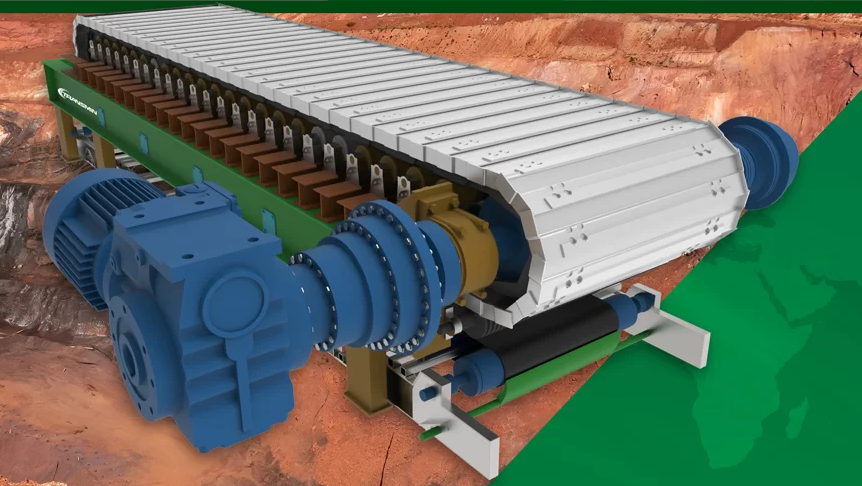
3D render of a heavy-duty apron feeder with a blue motor in a mining environment.

Kondisi Sulit? Apron Feeder untuk Aplikasi Berat

Run-of-mine ore arriving directly from the pit is about as unforgiving a feed source as you will find. Oversized rock, unpredictable lump size, high impact loads, and continuous duty mean most feeders are not built to handle all of that at once.

Heavy-duty pemberi makan apron are built specifically for those conditions. When the material is heavy, abrasive, and arriving at volume, apron feeders are the equipment most operations turn to first.

3D render of a heavy-duty apron feeder with a blue motor in a mining environment.

Why choose an apron feeder over a conventional one?

Conventional belt feeders perform well in standard conditions, but they have clear limitations. Rubber belts degrade rapidly under sustained impact loads, abrasive materials, and high-temperature environments. When the application involves heavy, jagged ROM rock or continuous high-tonnage duty, belt feeders simply cannot keep pace.

An apron feeder uses interlocking steel pans mounted on heavy-duty chains to form a continuous, rigid carrying surface. The all-steel construction absorbs the kind of impact loads and sustained stress that would quickly destroy a rubber belt. That makes it well suited to applications where material is being loaded directly from trucks, loaders, or hoppers at high volume.

Beyond raw durability, apron feeders also deliver precise, controlled feed rates to downstream crushers, screens, and conveyors. Uncontrolled surges in high-throughput operations cause bottlenecks, accelerated wear, and costly unplanned downtime. Apron feeders eliminate that risk.

Common applications of apron feeders

  • Run-of-mine ore handling
  • Primary crushing circuits
  • Stockpile reclaim
  • High-capacity material transfer
  • High-temperature and abrasive material handling

Benefits of apron feeders for heavy-duty applications

1. Rugged construction

The steel pan design, robust frame, reinforced chain system, and industrial-grade components are selected to withstand continuous loads in harsh mining conditions. Transmin’s heavy-duty apron feeders are custom-designed with pan widths up to 4 metres, engineered to suit the specific application rather than adapted from a standard catalogue product. Transmin also uses BERCO SALT chain, sprockets, wheels, and rollers, components proven in the most demanding ROM applications at D9 and D11 dozer-level duty.

This construction makes apron feeders suited to operations handling iron ore, copper ore, gold ore, lithium, aggregates, and other high-density bulk solids. They are also a reliable choice for high-temperature applications, including materials exceeding 200°C, where rubber belts would quickly fail. It is one of the primary reasons apron feeders remain the preferred choice for primary feeding applications across the mining industry.

2. Impact resistance

Impact loading is one of the biggest challenges in bulk materials handling. The steel pan design absorbs impact forces far more effectively than conventional rubber belts, significantly reducing the risk of deformation, tearing, or premature failure beneath dump hoppers, primary crushers, and truck unloading stations where high-impact loads are unavoidable.

In demanding mining environments, this directly translates into longer service intervals and lower replacement costs over the life of the equipment.

3. Material handling capabilities

Apron feeders handle a wide range of materials that cause problems for conventional equipment. Large lump sizes, wet and sticky ores, highly abrasive material, and variable feed rates at high tonnage are all within their scope. The chain-driven steel pan design keeps material moving reliably even under difficult conditions, and the pan geometry Transmin uses minimises material leakage on the return.

For applications requiring an ultra-low profile or a combined feeder-conveyor layout that transitions from horizontal to inclined within a single machine, Transmin’s Low Profile Feeder (LPF) is worth considering, with belt widths up to 4 metres and throughput of 6,000 tph and above.

4. Controlled material flow

Consistent material flow is critical for downstream processing efficiency. Uncontrolled surges or erratic feed rates accelerate wear on crushers and disrupt plant performance. In high-throughput operations, that is an expensive problem to manage after the fact.

Transmin’s apron feeders are available with optional variable speed drive, giving operators real-time control over feed rates and protecting downstream equipment from surge loading. Pairing the feeder with quality conveyor components downstream further optimises the flow of material through your handling system, reducing bottlenecks and improving overall productivity.

Finding the right apron feeder for your operation

When operations involve abrasive materials, high-impact loading, and continuous heavy-duty operation, apron feeders remain one of the most reliable solutions available. Choosing the wrong feeder leads to accelerated wear, unplanned downtime, and throughput bottlenecks that affect your entire operation.

Transmin has nearly 40 years of experience specifying and supplying feeders across the full range of bulk materials handling applications, from heavy-duty ROM operations in the Pilbara to process environments worldwide. If you are working through a feeder selection for a new project or a replacement, the Transmin engineering team is worth talking to early.

Get in touch with the Transmin team today to talk through your application.

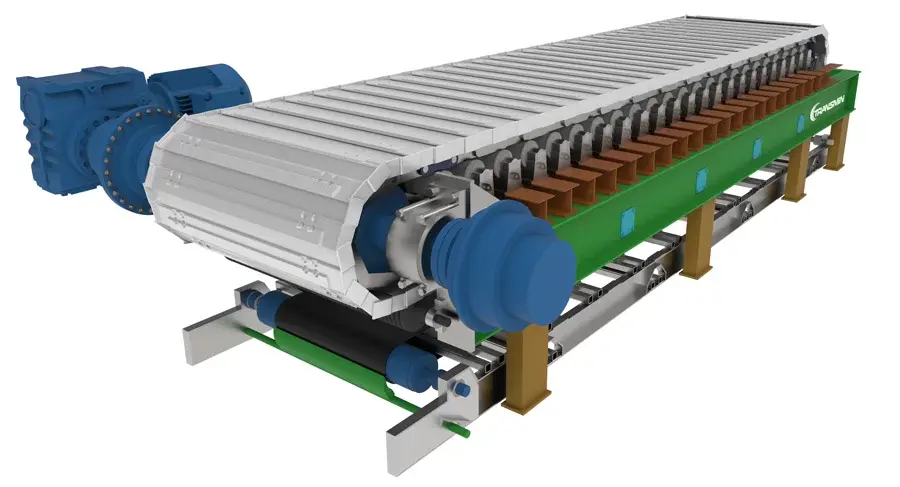
3D rendering of an industrial apron feeder conveyor

Memilih Pengumpan Apron yang Tepat: Panduan Praktis untuk Operasi Pertambangan dan Material Curah

Apron feeders are key to some of the most demanding environments in mining and bulk materials handling, but selecting the right one requires more than a quick spec check. Get it right, and you have a piece of equipment that will perform consistently for years. Get it wrong, and you are looking at costly downtime, accelerated wear, and throughput bottlenecks you could have avoided.

This guide walks through the key considerations to help you make a well-informed decision.

3D rendering of an industrial apron feeder conveyor

What is an apron feeder?

An apron feeder is a heavy-duty material handling machine that uses interlocking steel pans mounted on chains to form a continuous moving surface. This surface carries materials steadily from one point to another, without slipping or spilling, while distributing loads evenly across the structure.

Unlike conventional belt conveyors that degrade under sustained stress, apron feeders are built for conditions where standard equipment simply would not last. High temperatures, corrosive environments, continuous run-of-mine (ROM) duty, heavy and abrasive ores: these are the applications where an apron feeder proves its value. The steel pan design absorbs impact loads that would destroy a rubber belt, making the apron feeder conveyor the logical choice where material is being loaded directly from trucks, loaders, or hoppers at volume.

They are also highly versatile. Apron feeders serve as primary feeders beneath stockpiles and hoppers, as reclaim feeders, and as a controlled feed source to crushers, screens, and downstream conveyors.

Factors to consider when selecting an apron feeder

1. Material type and size

Your material is the starting point for every design decision. Free-flowing granular materials like gravel require relatively simple configurations, while high-density materials such as iron ore demand more powerful drive systems. For low-density materials, feeder speed needs careful calibration to hit the required tonnes per hour.

Moisture content affects flow behaviour significantly. Wet, sticky materials need self-cleaning features to prevent build-up, while very dry or fine materials introduce dust control requirements. Particle size and gradation round out the picture: oversized or irregular feed places different loads on the pans and chain, so understanding the full size range is essential before specifying equipment.

2. Capacity and throughput requirements

Define your normal and peak feed rates before selecting a drive system. Where throughput is consistent, a fixed-speed drive is straightforward and cost-effective. Where demand fluctuates, a variable speed drive gives you real-time control and protects downstream equipment from surge loading. Electric drives suit continuous-duty operations, while hydraulic drives handle high-torque starting conditions well. Transmin’s pemberi makan apron are available with optional hydraulic drive for demanding applications.

3. Feeding and discharging conditions

The hopper shear length, the opening dimension directly above the feeder, is one of the most important sizing parameters and directly influences drive system selection. The loading method matters too: impact loads from trucks or loaders must be accounted for in the feed inlet design to prevent premature wear.

On the discharge side, feeding into a crusher requires careful attention to chute design and feed rate control, while discharging onto a downstream apron feeder conveyor introduces belt speed and trajectory considerations.

4. Operating angle

Steeper angles suit free-flowing materials, while wet or viscous materials need a shallower incline to maintain consistent flow. If your application requires a horizontal-to-inclined transition within a single machine, Transmin’s Pengumpan Profil Rendah (LPF) is designed for exactly that.

5. Site and environmental conditions

High-temperature applications such as molten slag transport require heat-resistant construction throughout, making an all-steel apron feeder the only practical option. Cold environments may need insulation provisions. Site altitude affects motor cooling, so electrical specifications must be confirmed against local conditions, and physical space constraints should be established early to avoid costly design changes later.

6. Customisation and design options

No two sites are identical. Belt widths, pan configurations, drive arrangements, and ancillary equipment such as dribble conveyors can all be tailored to your application. Transmin’s pemberi makan apron are custom designed with belt widths up to 3 metres. For applications needing an ultra-low profile or a combined feeder-conveyor solution, the Pemberi Pakan Profil Rendah extends the range further, with belt widths up to 4 metres and throughput of 6,000 tph and above.

Getting the right equipment for your application

Selecting the right apron feeder is a technical decision with long-term operational consequences. The factors above do not exist in isolation: material characteristics, throughput requirements, site conditions, and discharge arrangements all interact, and a change in any one of them can influence the others.

Transmin’s engineering team has over 35 years of experience specifying and supplying feeders for the full range of bulk materials handling applications, from heavy-duty ROM operations in the Pilbara to challenging process environments worldwide. Our team can help you work through the variables and identify the best solution.

Hubungi kami with us to discuss your application and find the right feeder for your operation.

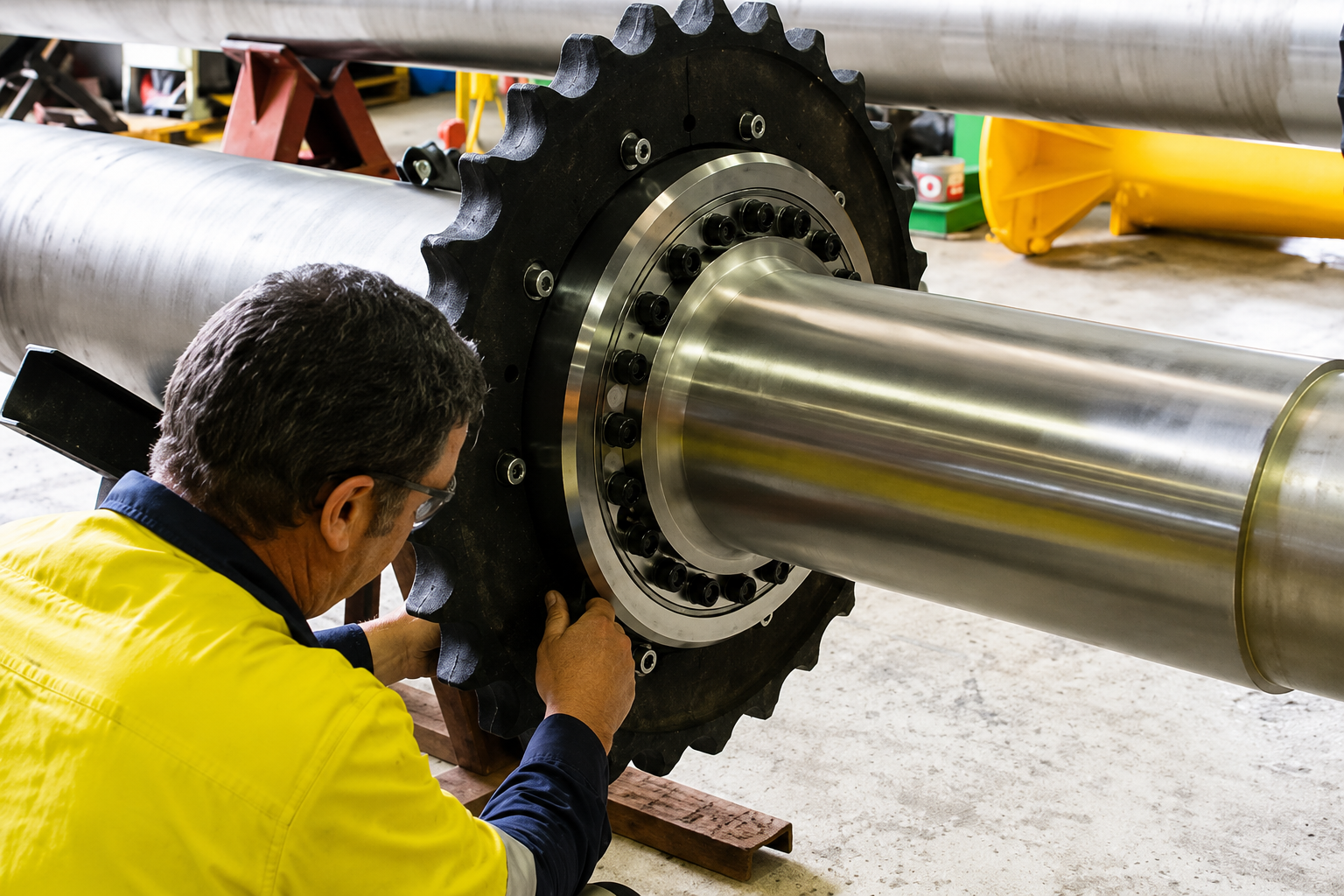
Worker installing a large sprocket

Bagaimana Servis Purnajual Memperpanjang Usia Peralatan Anda

Your heavy equipment represents a significant investment in your business and operational efficiency. With the right maintenance approach and aftermarket servicing, you can protect that investment, reduce operating costs, avoid unexpected breakdowns, and improve overall site productivity and safety.

In this article, we explain the different benefits and ways that aftermarket servicing can extend equipment lifecycles.

What is aftermarket servicing?

Aftermarket servicing refers to the maintenance, repairs, parts replacement, troubleshooting and lifecycle support provided after original equipment purchase and installation. It often includes scheduled maintenance, remote diagnostics, on-site inspections, refurbishment and access to specialised parts. A comprehensive aftermarket service capability supports equipment throughout its lifecycle, from commissioning through ongoing operation and eventual overhaul or replacement.

Key benefits of aftermarket serving

1. Extended equipment lifespan

Regular preventive maintenance and servicing are among the most reliable ways to extend the life of your machinery. Heavy industrial equipment that operates in harsh environments is especially susceptible to wear and tear. Without systematic care, minor issues can escalate into major breakdowns that significantly shorten service life.

In contrast, structured aftermarket servicing ensures components are inspected, lubricated, adjusted and replaced as necessary. This proactive approach helps avoid catastrophic failures and keeps equipment operating closer to its optimal performance thresholds.

2. Cost efficiency

It may seem counterintuitive, but investing in regular aftermarket servicing reduces long-term costs. Reactive repairs and unplanned downtime often lead to expensive emergency call-outs, lost productivity and secondary damage to surrounding components. Preventive servicing allows issues to be identified and resolved before they escalate into major failures. It enables maintenance to be scheduled during planned shutdowns rather than urgent stoppages, improving cost predictability and minimising disruption to operations. Over time, this structured approach maximises return on investment by keeping equipment running longer and more consistently while lowering overall lifecycle expenditure.

3. Optimised performance

Maintenance is not only about preventing breakdowns. Aftermarket servicing also ensures equipment continues to operate at peak efficiency throughout its lifecycle. Regular inspections, calibration, component adjustments and timely parts replacement help machinery perform closer to its original design specifications.

When equipment is maintained correctly, it runs more smoothly, consumes energy more efficiently and delivers more consistent output. This reduces strain on critical components and lowers the likelihood of performance-related faults. Optimised performance also supports safer operating conditions and maintains equipment that is less prone to sudden failure or unpredictable behaviour. Over time, this consistent operational reliability contributes to higher site productivity and improved overall performance.

Choosing the right aftermarket service provider

Not all service providers are equal. When selecting a partner to support your equipment, consider:

  • Lifecycle experience: Look for a provider with experience supporting equipment end-to-end, from commissioning to decommissioning.
  • Parts availability: Fast access to genuine and suitable replacement parts can dramatically reduce downtime and prevent secondary failure.
  • Remote support capabilities: Providers that offer remote diagnostics and virtual assistance can resolve issues faster and reduce travel costs.
  • Track record in your industry: Choose a service partner familiar with the demands of your operational environment and the specific equipment brands you rely on.

Keep your equipment reliable, your operations productive, and your costs predictable. Choose Transmin as your aftermarket service partner who understands your machines and your business.

Get in touch to learn more.