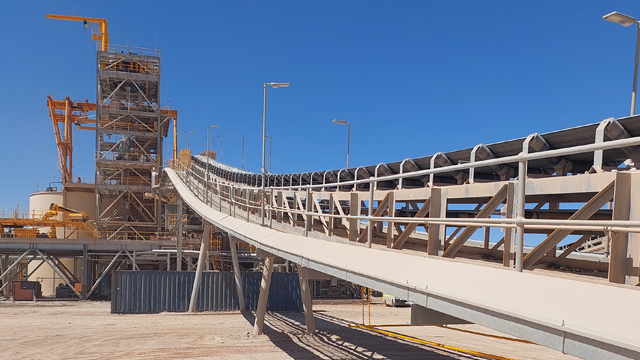
Transmin has worked with this Western Australian contracting business (‘the client’) for a number of years, supporting them in successfully delivering their services to end users. For this specific engagement, we designed, manufactured, and supplied complete conveyor components to support their customer’s completion of their Engineering, Procurement and Construction (EPC) contract in the Goldfields-Esperance region.
The Challenge:
The client’s customer needed application-specific conveyor components for their regional EPC project. Having already sold numerous capital items to the client and the project, Transmin became an obvious choice. On top of our quality service, we were able to offer convenience to the client by enabling them to procure a wide range of goods through the one trusted supplier.
The Solution:
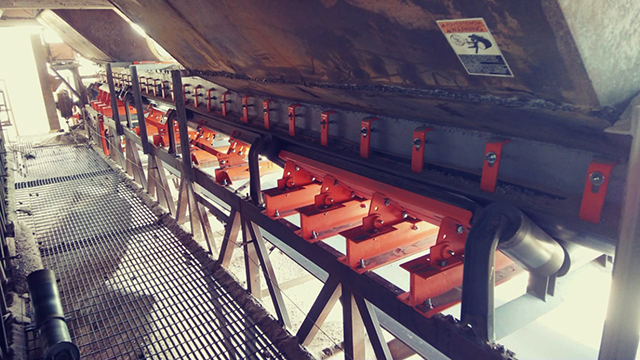
Working closely with our Business Develop Manager for Conveyors and our dedicated Conveyor Engineer, we were able to identify and supply the best possible idlers, pulleys and belts for the project. As a distributor of Martin Engineering products, we were also able to provide custom-designed impact beds to suit specific application requirements.
The Challenge:
The client’s customer needed application-specific conveyor components for their regional EPC project. Having already sold numerous capital items to the client and the project, Transmin became an obvious choice. On top of our quality service, we were able to offer convenience to the client by enabling them to procure a wide range of goods through the one trusted supplier.
The Solution:
Working closely with our Business Develop Manager for Conveyors and our dedicated Conveyor Engineer, we were able to identify and supply the best possible idlers, pulleys and belts for the project. As a distributor of Martin Engineering products, we were also able to provide custom-designed impact beds to suit specific application requirements.
Les systèmes de convoyage comportent de nombreuses pièces mobiles, y compris des courroies, des poulies et des rouleaux. Le contact avec ces pièces peut entraîner des blessures graves. En fait, sans une barrière physique, le personnel risque l'emmêlement, l'écrasement, l'amputation et le choc électrique.
C'est pourquoi disposer d'un système de protection de convoyeur efficace est si important.
La protection de convoyeur est un dispositif ou un système qui est installé sur ou autour d'un convoyeur pour empêcher les personnes d'entrer en contact avec des pièces mobiles ou de se blesser. Ce type de garde est essentiel pour la sécurité, car les convoyeurs contiennent souvent des pièces qui peuvent facilement pincer, écraser ou couper les travailleurs.
La protection des convoyeurs est une mesure de sécurité essentielle pour garantir l'exploitation et la maintenance sécurisées des équipements de convoyage dans les environnements industriels. En installant des barrières de protection, des capots et des dispositifs autour de votre système de convoyage, vous minimiser le risque de blessure sur le lieu de travail et la protection des personnes qui exploitent et entretiennent votre système.
Composants essentiels de blindage de convoyeur
Protège les travailleurs des pièces mobiles
Pour assurer la sécurité du personnel, il est essentiel de installer la protection de convoyeur à bande fixe qui sert de barrière solide entre les personnes et la machinerie. Là où les poulies et les composants rotatifs sont exposés, escrime devrait également être installé pour isoler ces dangers et empêcher tout contact accidentel. Cette mesure simple réduit considérablement le risque d'enchevêtrement et d'autres blessures graves.
Là où les convoyeurs motorisés transfèrent des marchandises sur des rouleaux immobiles, rouleaux escamotables doivent être installés. Ils réduisent les risques de piégeage en se libérant sous pression, évitant ainsi les écrasements dans les zones de transfert. De plus, tout Les crossovers devraient être équipés d'escaliers et de mains courantes robustes, offrant aux travailleurs un moyen sûr de passer au-dessus des convoyeurs sans marcher sur le système en marche ou le traverser.
Conforme aux normes et réglementations de sécurité
Les exigences de protection des convoyeurs sont énoncées dans AS/NZS 4024.3610, la norme principale régissant la conception, l'installation et la maintenance sécurisées de tous les systèmes de convoyage. Selon le type de système, cela peut être appliqué parallèlement à autres normes de protection des convoyeurs, y compris AS 4024.3611 (convoyeurs à bande pour la manutention de matériaux en vrac) et AS 4024.3614(convoyeurs mobiles et transportables). Ensemble, ils font partie de la AS 4024.1 Série Sécurité des machines, qui vise à minimiser les risques pour la santé et la sécurité tout au long du cycle de vie d'un convoyeur, qu'il soit installé au-dessus ou en dessous du sol.
La conformité à ces normes soutient également les obligations en vertu de Réglementation sur la santé et la sécurité au travail (SST), qui exigent des employeurs qu'ils identifient et contrôlent les dangers afin de protéger les travailleurs et les autres personnes sur le lieu de travail. L'inspection régulière, les protections adéquates et le respect des directives AS/NZS garantissent que les convoyeurs restent à la fois sécurisé et conforme.
Offre un accès facile pour la maintenance sans compromettre la sécurité
Un accès sûr pour les équipes de maintenance peut être assuré par une conception réfléchie et une intégration appropriée de la sécurité. Bien que les protections fixes soient toujours préférables, gardiens imbriquéssont une alternative efficace qui permet l'accès du personnel de maintenance tout en maintenant la sécurité.
Les convoyeurs devraient également comporter commandes d'arrêt d'urgence positionnés à portée de main le long des zones de maintenance, permettant des arrêts rapides si nécessaire. Dans la mesure du possible, Concevoir le système en tenant compte de la maintenance, telles que l'inclusion de protections articulées ou amovibles, de composants coulissants et de points de lubrification à distance. Cette approche permet aux techniciens d'effectuer les travaux essentiels en toute efficacité sans compromettre la sécurité ou la conformité.
Utilise des matériaux durables adaptés à l'environnement
Dans les environnements miniers et autres environnements industriels lourds, les systèmes de protection des convoyeurs doit résister à des conditions d'exploitation difficiles. Les matériaux durables courants comprennent :
PEHD (Polyéthylène à très haute masse moléculaire)
Acier inoxydable 316
Acier galvanisé
En combinant stratégiquement ces matériaux, vous pouvez maximiser la durée de vie et la fiabilité de votre infrastructure de protection de convoyeur.
Protection de convoyeur avec Transmin ConveyorPro
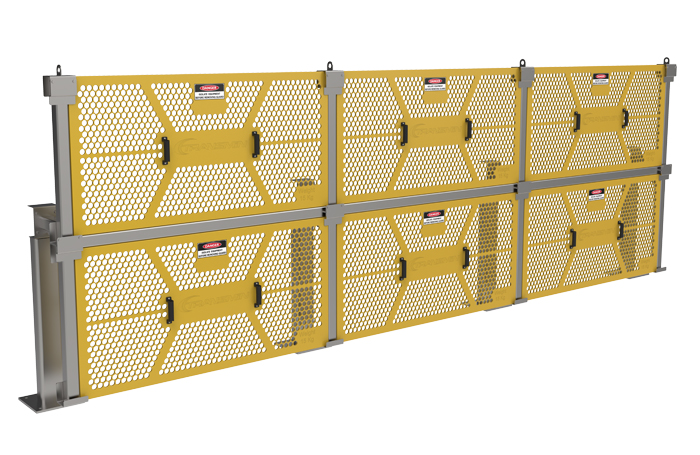
Transmin ConveyorPro est un fournisseur mondial de GuardLitePro, un solution de garde légère et haute performance en UHMWPE. GuardLitePro est conçu pour s'adapter à une large gamme de convoyeurs, des applications d'exploitation minière intensive au traitement des minéraux. Vous souhaitez en savoir plus sur nos solutions de protection de convoyeurs ? Contactez-nous dès aujourd'hui, et notre équipe expérimentée vous aidera à trouver la bonne taille pour vos besoins.
Conveyor belts are essential to the resources and bulk materials handling industries, ensuring the smooth flow of materials and products. They can withstand the rigours of moving thousands of tons of rock, sand, gravel, and aggregate to their final destination. Like all complex machinery and equipment, conveyor belts require ongoing care to maintain their lifespan and ensure peak performance.
In this article, we explain how to maintain and clean conveyor belts to keep them moving materials efficiently for as long as possible.
The importance of conveyor belt cleaning
Robust conveyor belt systems play an important role in production efficiency, and their longevity. can directly affect your bottom line. Considering that this equipment is exposed to harsh conditions and challenging materials, it’s essential that it is properly taken care of. With proactive maintenance and regular cleaning, you can ensure a longer life for your conveyor belts, reducing downtime and enhancing operational efficiency.
How to clean and maintain conveyor belts
Regular inspection and conveyor system maintenance
Identifying issues early is the key to extending the lifespan of your conveyor belts. Regular maintenance helps prevent further damage and costly downtime by addressing problems promptly.
Start with routine inspections, including visual checks for:
Belt wear or damage, such as fraying, tearing, or abrasion
Misaligned or improperly tensioned belts
Signs of damage on pulleys, rollers, and bearings
Damage or lubrication issues on drive components
Beyond inspections, maintenance should include greasing roller bearings, removing dirt and debris, and always tagging and locking out conveyors before work begins. Finally, communicate with workers to capture any operational issues they’ve noticed, supporting both conveyor longevity and safety.
Implementing effective conveyor belt cleaning practices
Dirt, debris, and spilled materials are some of the most common causes of premature conveyor belt wear. When left unchecked, these materials can build up along the belt surface, get caught in rollers, or even embed into the belt itself, leading to abrasive wear and costly damage over time. Regular cleaning should be scheduled as part of your overall maintenance plan, with the frequency tailored to how heavily your conveyor is used and the type of material it transports. For example, belts that handle fine powders or sticky substances may require more frequent cleaning than those moving dry, solid products.
It’s also essential to use cleaning methods and products suited to your specific belt type, as harsh chemicals or improper tools can cause unnecessary damage. In addition to extending the lifespan of the belt, keeping the system clean improves efficiency, reduces the risk of product. contamination, and creates a safer working environment.
Conveyor belt scraper and cleaners
Keeping your conveyor belts clean is essential for safety, efficiency, and belt longevity. ConveyorPro offers a range of belt cleaners, including primary and secondary scrapers, suitable for a variety of applications. Our scrapers are spring-tensioned for optimal belt contact and cleaning performance, and feature universal mounting plates for easy installation on chutes or open-head conveyors. With options designed for both local and international standards, you can select the solution that fits your system’s needs.Browse our extensive range of Conveyro Pro belt cleaners or Contactez-nous to find the right belt cleaner for your needs.
The process of moving bulk materials involves a range of systems that are essential for long-term performance and reliability. The conveyor belt is a crucial component, however, the accessories that make up the complete system are equally important.
Your conveyor belt system should help you operate at peak efficiency with minimal downtime and maintenance issues. If you’re experiencing constraints with your current setup, the solution is often not a complete overhaul but simply adding the right accessories that can make a significant difference.
This article will guide you in selecting the right conveyor belt accessories for your needs, highlighting their benefits and key application areas.
The importance of conveyor belt accessories
Conveyor belt accessories play a vital role in preventing common issues and ensuring smooth operation across your material handling system. When properly selected and applied, they help reduce downtime caused by belt slippage, misalignment or product buildup. They also minimise maintenance requirements, saving both time and money, while extending the life of your conveyor belt and associated components. In addition, the right accessories enhance operator safety by reducing potential hazards and support productivity through a smooth and consistent flow of materials.
Accessories may seem like small components within a larger system, but their impact on reliability, safety and lifecycle costs is significant.
Types of conveyor belt accessories
Belt Skivers: Tools used to remove the top cover of a conveyor belt to prepare it for mechanical fasteners or splicing.
Belt Clamps: Temporary fixtures used to securely hold a conveyor belt in place during installation, maintenance or repair.
Belt Lifts: Devices designed to safely raise and support a conveyor belt to allow access to rollers or other components underneath.
Splicing Compounds: Specialised bonding materials used to join conveyor belt ends together to form a strong, durable splice.
Belt Cutters: Tools designed to cut conveyor belts cleanly and accurately to the required length or for repair preparation.
Belt Fasteners: Mechanical joining systems used to connect the ends of a conveyor belt and create a continuous loop
How to choose conveyor belt accessories
When selecting conveyor belt accessories, consider several key factors to ensure your system delivers the best performance and long-term reliability. These include:
Material type: Heavy and abrasive materials have different equipment requirements from wet and sticky materials. The characteristics of the material you are conveying should be considered so you can find the right solution to manage wear, build-up and flow.
Operating Environment: Conditions such as temperature, moisture and chemical exposure can affect the performance and longevity of accessories, so materials and designs should be chosen accordingly.
Performance and Durability Requirements: Consider how much throughput, speed and duty your system needs to handle. Higher demands require more robust accessory options that can withstand extended use.
Safety Considerations: Accessories should support safe operation and maintenance, complementing safety systems such as guarding to reduce personnel risk.
Taking these factors into account can help you select the right accessories to keep your system operating efficiently, reliably and safely.
Transmin ConveyorPro accessories
Transmin ConveyorPro offers a wide range of belting accessories in various shapes and sizes, all designed to help your conveyor belt move product smoothly and efficiently from one point to the next. With ongoing technical support to ensure the right product selection and a broad range of accessory options tailored to your requirements, Transmin stands out among leading conveyor belt accessories suppliers
Reach out to the Transmin team to find the ideal accessories for your conveyor system and maximise performance, reliability and uptime.